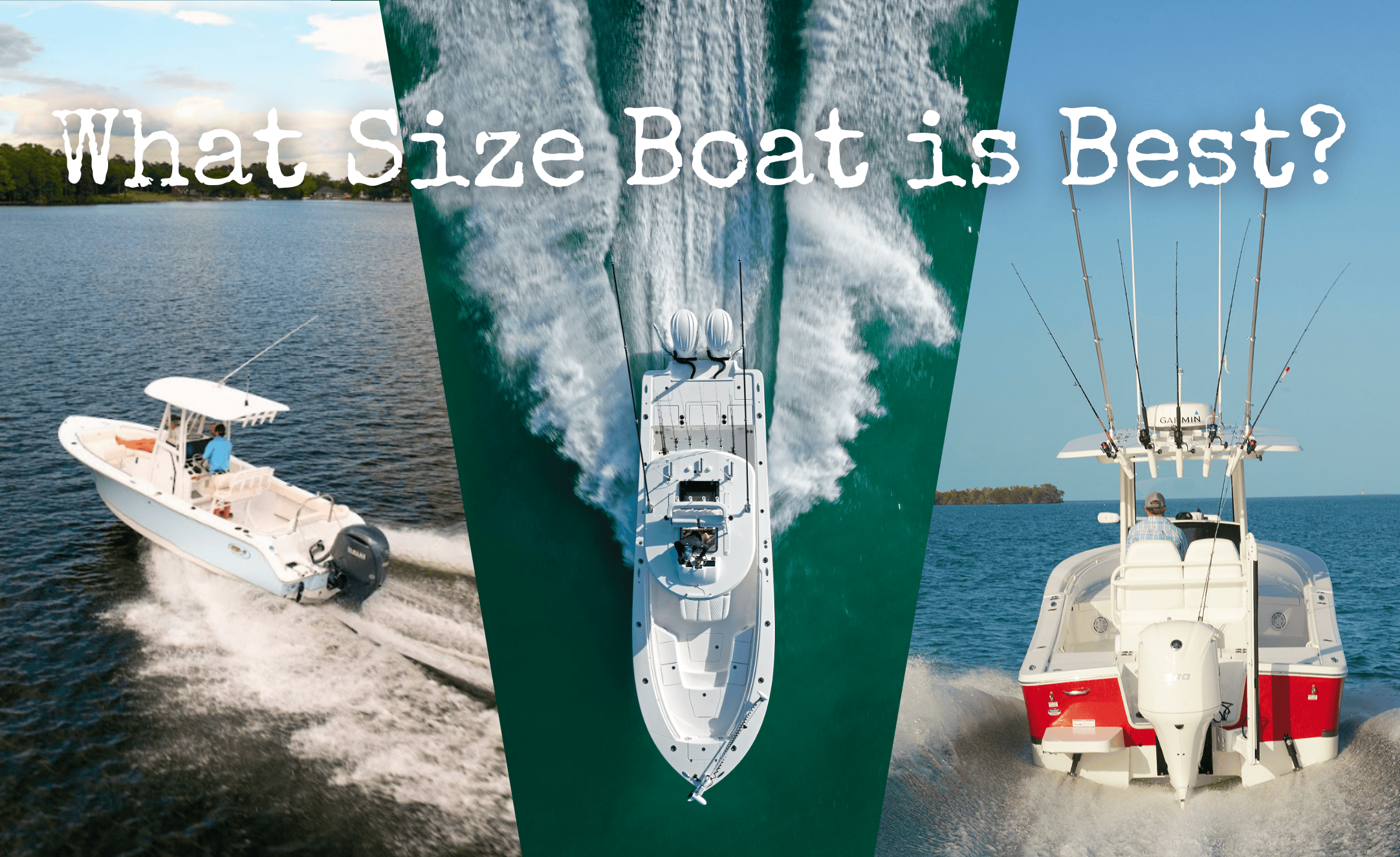
What Size Boat Do You Really Need for Gulf Boating?
We hear this question almost weekly:
“Is 24 feet enough?”
“Do I really need twin engines?”
“Is 30 feet too big for around here?”
The honest answer? It depends on how you plan to use the boat — and how comfortable you want to be when conditions aren’t perfect.
Boating in Southwest Florida means balancing calm back bay cruising with occasional (or frequent) runs into the Gulf of Mexico. Some days the water is flat calm. Other days, even a light breeze can build afternoon chop quickly.
Here’s a realistic breakdown of what different size ranges offer for Gulf boating.
22’–24’ Boats
For many first-time buyers, this is where the search starts.
Boats in the 22–24 foot range are:
- Great for nearshore trips and calm days
- More affordable overall
- Easier to trailer and store
- Manageable for newer captains
On good weather days, a well-built 24-footer can absolutely handle short Gulf runs. They’re also ideal if you spend most of your time in the back bays around Bonita Springs, Naples, or Fort Myers and only head offshore occasionally.
That said, when afternoon chop builds, you’ll feel it more in this size range. It’s not unsafe — just less forgiving than larger hulls.
25’–27’: The Southwest Florida Sweet Spot
For many local boaters, this is the ideal balance.
Boats in the 25–27 foot range offer:
- A more comfortable ride in moderate Gulf chop
- Increased fuel capacity for longer runs
- More seating and storage
- Better offshore confidence
This size range is popular because it allows flexibility. You can fish offshore in the morning, cruise the back bays in the afternoon, and still dock comfortably without feeling like you’re managing a large yacht.
If you want one boat that truly does it all in Southwest Florida, this is often where buyers land.
28’–32’ Boats
If offshore fishing or long-distance runs are your priority, this size range starts to shine.
Boats from 28–32 feet are typically:
- Built for longer offshore runs
- Designed for a smoother ride in rougher conditions
- Equipped with larger fuel tanks
- Powered by twin engines (sometimes triples)
- Offering more space, seating, and amenities
When Gulf conditions get sporty, additional length and weight help the boat track better and soften the ride.
The tradeoff? Higher purchase cost, increased fuel burn, and slightly more complexity at the dock. For experienced boaters or those committed to offshore fishing, it’s often worth it.
What About Twin Engines?
Twin engines aren’t mandatory — but they are common in the 26-foot-and-up range.
Advantages of twins include:
- Added redundancy offshore
- Improved maneuverability
- Better weight distribution on larger hulls
For nearshore use, a single engine may be perfectly sufficient. For frequent offshore runs, many boaters appreciate the added confidence twins provide.
Other Factors That Matter
Boat size isn’t the only consideration.
You should also think about:
- Where you’ll store the boat
- Who will primarily captain it
- How many passengers you typically carry
- Your experience level
- Budget for fuel and maintenance
A boat that feels perfect offshore may feel oversized for casual evening cruises if that’s your primary use.
So, What Size Boat Do You Really Need?
If you plan to spend most of your time in the back bays and only occasionally run offshore on calm days, you don’t need to overbuy.
But if offshore fishing, longer Gulf runs, or frequent open-water cruising are your main goals, sizing up pays off in comfort, range, and confidence.
The right size boat isn’t about impressing anyone at the marina. It’s about matching the boat to how you actually plan to use it in Southwest Florida waters.
Choosing correctly means fewer compromises — and more enjoyable days on the water.